If you’ve been researching window shutters for your home, you’ve probably come across tier on tier shutters and wondered what makes them different from a standard full-height shutter. We get asked about them a lot, so we thought we’d break it down properly.
What are tier on tier shutters?
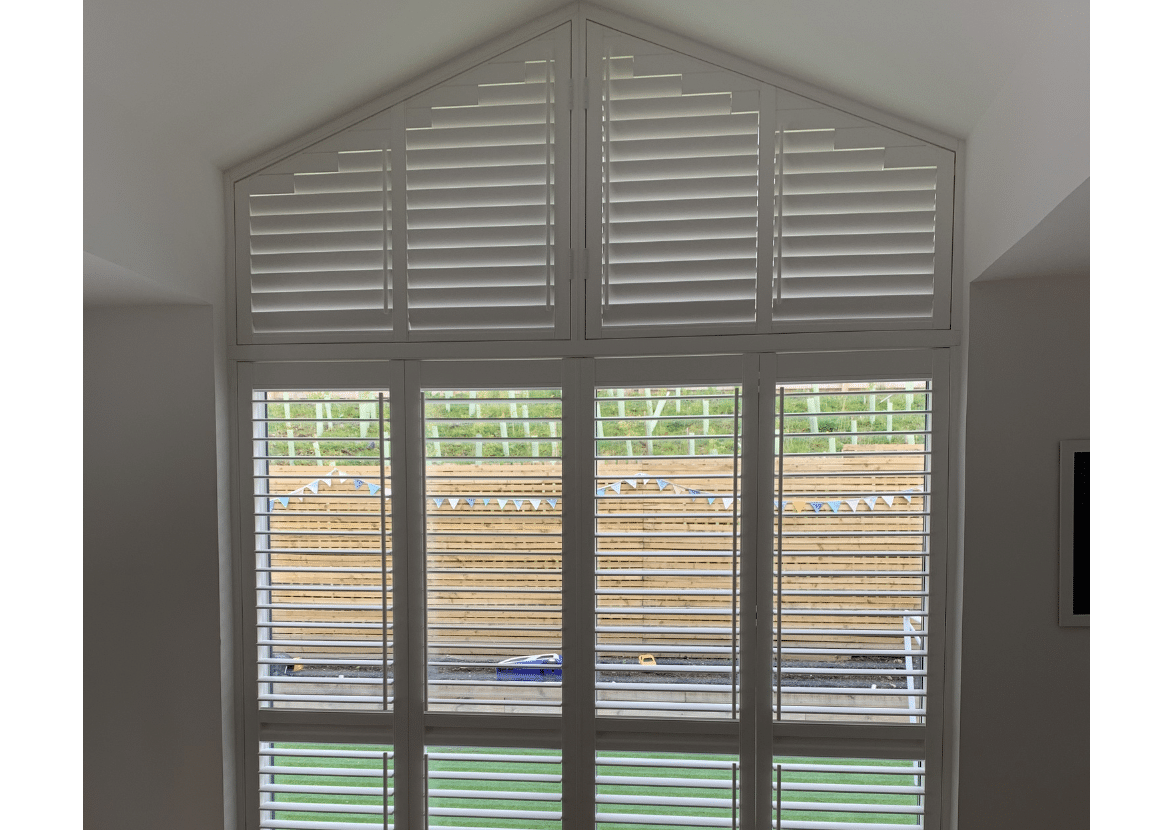
Tier on tier shutters are made up of two independent panels stacked on top of each other within the same frame, rather than one solid panel running floor to ceiling. That means the top and bottom sections open and close separately — so you can let light in through the top half while keeping the bottom half closed for privacy, or vice versa.
It’s a small design difference that makes a big difference in how a room actually feels day to day, especially on windows that face onto a street or a neighbouring property.
Why choose tier on tier over a full-height panel?
The main draw is flexibility. With a full-height single panel, the whole window opens or closes as one — great for simplicity, but less useful if you want privacy at eye level while still letting light in above. Tier on tier shutters solve that by giving you two zones to control independently.
It also tends to suit larger windows particularly well, since a tri-fold or multi-panel tier on tier configuration can cover a wide span while still folding back neatly when you want an unobstructed view.
Are tier on tier shutters more expensive?
Generally, yes — tier on tier shutters cost more than a standard single-panel shutter of the same size, simply because you’re getting two independently operating panels, frames and hinge sets instead of one. The exact difference depends on the size of the window and the material you choose, but it’s usually a modest premium rather than a dramatic jump.
For most homeowners, the extra cost is worth it for the flexibility alone — particularly on ground-floor rooms or bedrooms where privacy and light control both matter. We’ve written more on this in our piece on whether shutters are worth the investment.
Which rooms suit tier on tier shutters best?
They tend to work brilliantly in:
- Living rooms, especially ones with a bay or larger window, where you want light without losing privacy from the street.
- Bedrooms, where being able to keep the bottom tier closed while the top tier is open gives you natural light in the morning without anyone looking in.
- Ground-floor rooms generally, where privacy is more of a consideration than it is upstairs.
If privacy isn’t a major factor for a particular window — a bathroom with obscured glass, for example — a full-height single panel is often simpler and slightly more cost-effective.
What materials and finishes are available?
Tier on tier shutters are typically available in the same range of materials as our full-height styles — solid hardwood for a premium, traditional look, engineered wood for a good balance of durability and price, or a waterproof composite for bathrooms and kitchens where moisture is a factor. We’ve covered the differences between these in more detail in our guide to popular blind fabrics and materials, and the same principles largely apply when choosing a shutter finish.
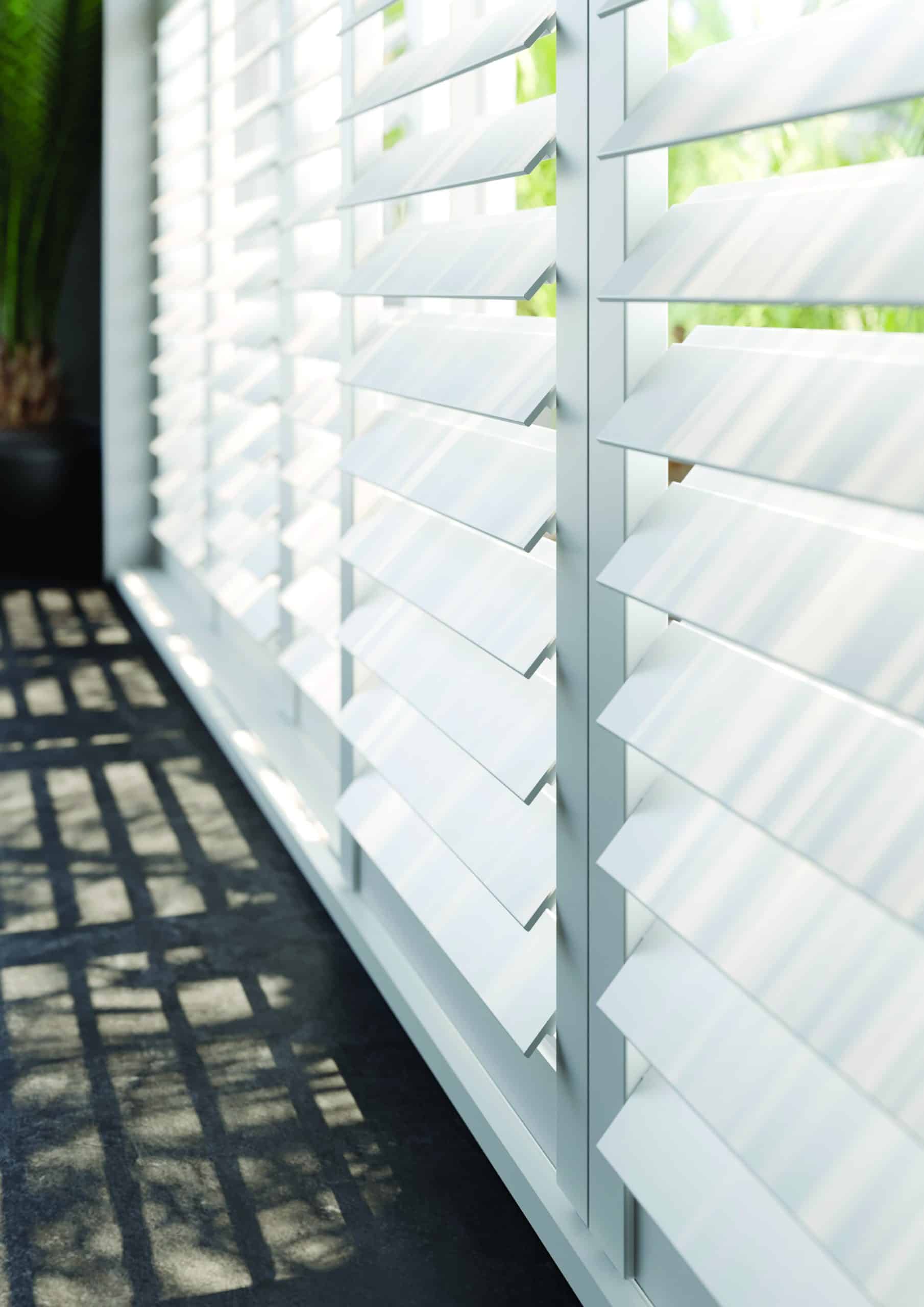
Frame and louvre colour is where most homeowners have fun with the style. Classic white or off-white keeps things timeless and works in almost any room, while darker charcoal or graphite frames have become increasingly popular for a bolder, more contemporary look — particularly paired with lighter walls and flooring. Louvre width also affects the overall feel: wider louvres (around 89mm) give a more modern, open look and let in more light when tilted, while narrower louvres suit more traditional or period properties.
Thinking about shutters for your own home?
We make and fit every shutter ourselves, tailored to your windows and how you actually use each room. Get in touch for a free, no-obligation quote.